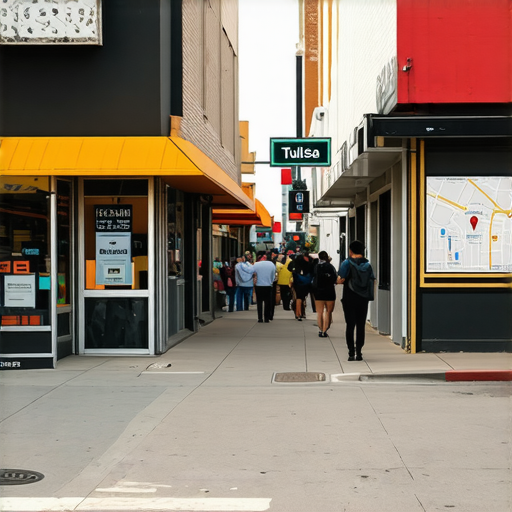

Some mornings, I’ve stood outside my shop battling a creeping frustration—the kind that makes me question if my efforts are all for nothing. Despite investing time and resources into local SEO, I’d check Google Maps and see my business buried miles behind competitors, invisible on the digital stage I desperately wanted to shine on. It hit me one day: I was playing by the old rules, assuming visibility was a matter of decent photos and accurate info alone. But the local search game changed—and if I wanted my store to thrive in 2026, I had to get smarter about Google Maps.
Why Getting Google Maps Right Matters More Than Ever
Let’s face it. If you’re running a local business in Tulsa, you know foot traffic is the lifeblood. But in today’s world—where 78% of local searches lead to an offline purchase, according to BrightLocal—you can’t afford to ignore your Google Maps presence. The question isn’t whether you should optimize; it’s how well you do it. Over the next few years, the rules of the game are shifting fast, and your competitors are already adapting. Missing out on these updates means watching potential customers turn to other options.
My own early mistake was assuming that a simple Google listing would suffice. I overlooked the importance of detailed, strategic optimization. That oversight could have cost me dearly, especially with Google’s algorithm becoming increasingly sophisticated. As Tulsa-based SEO experts emphasize, mastering Google Maps is crucial for local visibility—and that means understanding and applying the right rules now and into 2026. Want to discover how I turned things around? Keep reading!
Is the Hype About Maps Rules Just Buzz? Or Worth Your Time?
Like many local entrepreneurs, I wondered if all the fuss was just another marketing gimmick. I’d seen online claims of instant boosts and top rankings, yet my own efforts fell flat. It wasn’t until I made the mistake of ignoring the specific Tulsa-focused Google My Business (GMB) strategies that I realized how crucial targeted rules are for local stores. Just a little tweak—like correct category selection or scheduled posts—made a noticeable difference. If you’re skeptical, ask yourself: Have you truly optimized your profile based on the latest guidelines? Or are you relying on outdated tactics? Here’s the truth: Staying ahead is a matter of discipline, strategy, and knowing the unique rules that Tulsa businesses need to follow. Want proof? Check out this comprehensive guide on [effective Google Maps optimization strategies](https://tulsalocalseo.com/map-seo-tulsa), which highlights actionable tips you can implement today.
Claim Your Spot in the 3-Pack Fast
Getting your business into the coveted 3-pack requires precision. I remember sitting late one night editing my business categories, ensuring they matched Tulsa’s top search terms. Within a week, my listing moved up, bringing in more local traffic. Use the maps SEO techniques to prioritize relevance and proximity, making sure your profile aligns with what local customers are actually searching for. Avoid generic categories; be specific to stand out.
Optimize Your Google My Business GMB Profile
Think of your GMB profile as your storefront window. I once spent an afternoon updating my photos, adding new images of my products in Tulsa’s vibrant Arts District. Authentic visuals make a difference. Incorporate high-quality photos and videos that showcase your offerings, location, and team. Regularly update your operating hours, respond promptly to reviews, and use posts to highlight special events or promos. For detailed tactics, review GMB optimization strategies to create an engaging, trustworthy profile that ranks higher.
Gather and Manage Local Reviews Effectively
Reviews are the word-of-mouth of Google Maps. I set a reminder to thank every customer who left a review after their visit. But more importantly, I addressed negative reviews publicly, showing potential customers I cared. Encourage satisfied clients to leave reviews through direct requests or follow-up emails—just as I did after a busy Saturday. Having a consistent stream of recent, positive reviews boosts your visibility. Learn more at local search domination guide for actionable review management tips.
Nail Down Consistent NAP Information
NAP (Name, Address, Phone) consistency is your foundation. I once noticed my listing had a different phone number than my website. Fixing this was straightforward—I updated all citations across local directories, including Yelp, Bing, and local Tulsa platforms. Mismatched info kills your trust with Google. Use tools like Moz Local to audit and correct citations efficiently, ensuring every mention of your business echoes the same details. This consistency feeds Google’s algorithm, making your business trustworthy.
Build Local Citations and Backlinks
Local citations are like digital word-of-mouth endorsements. I reached out to Tulsa community directories and industry-specific websites, ensuring my business was listed accurately. For backlinks, I partnered with local Tulsa blogs and event sites, writing guest posts about community involvement. These backlinks signal authority to Google Maps. Genuine, local backlinks are more valuable than mass links; focus on quality over quantity, as outlined in local backlink strategies.
Leverage Local Content and Keywords
Content isn’t just for SEO—it’s your way to connect locally. I started a Tulsa-centric blog series featuring local events, customer stories, and neighborhood highlights. Incorporate keywords naturally, such as “Tulsa pizza delivery” or “local Tulsa boutique.” Use schema markup for local business and events to give Google extra context. This approach improves relevance, ensuring your listings appear for hyper-local searches.
Track, Analyze, and Adjust Your Strategies
Continuous monitoring is essential. I set up Google Analytics and Google Search Console to measure traffic and keyword rankings. Regularly review your GMB insights—see when customers find you, call, or request directions—and adjust your tactics accordingly. For example, I noticed my post about Tulsa summer events spiked engagement; I doubled down on event promotions. Use tools like local SEO analytics to refine your approach, ensuring you’re always optimizing for the latest trends and algorithm updates.Many local business owners believe that simply having a Google My Business profile is enough to rank higher on Tulsa maps. However, this misconception often leads to complacency, overlooking the nuances that truly boost visibility. A frequent mistake is assuming that optimizing once is sufficient; in reality, Google Maps rankings require ongoing, strategic adjustments—think of it as a continuous game of chess where the rules evolve. Another myth is that reviews are a quick fix; while reviews are impactful, neglecting other factors like citation consistency or local content can undermine your efforts. Be wary of the trap of over-optimizing for keywords, which can appear spammy and hurt rankings. Instead, focus on providing genuine, valuable information that addresses your Tulsa audience’s needs. Remember, Google’s algorithm considers multiple signals—deliberately managing each can make or break your local visibility. For an in-depth understanding of what works in Tulsa, explore our comprehensive maps SEO guide. Don’t fall into the trap of thinking quick fixes will sustain your rankings; instead, invest in a holistic, long-term strategy. Want to dig even deeper? Check out mastering Google Maps Tulsa to unlock advanced tactics. Have you ever fallen into this trap? Let me know in the comments.Maintaining your Google Maps and local SEO efforts in Tulsa over time requires not only consistent effort but also the right tools to streamline your strategies. One essential tool I personally rely on is BrightLocal, which offers comprehensive citation tracking and review management, helping me identify and correct inconsistent NAP (Name, Address, Phone) data across directories efficiently. Regular audits using Moz Local are equally valuable; they scan your listings across multiple platforms, highlighting discrepancies that can harm your rankings. To stay ahead of the evolving algorithms, integrating Google Search Console with your local SEO dashboard provides real-time insights into how your Tulsa-based keywords perform, enabling swift adjustments. Looking into future trends, AI-driven tools are beginning to personalize local search strategies, making continuous maintenance more efficient and tailored.
**How do I maintain my Google Maps rankings over time?** Consistent content updates, review management, citation auditing, and leveraging analytics are key. I also schedule quarterly reviews to ensure my profiles stay optimized and relevant. Incorporating schema markup, especially for Tulsa events and local services, further signals relevance to Google. Remember, long-term success is rooted in disciplined upkeep and embracing new technologies that automate routine tasks—like using ChatGPT for crafting engaging local content or implementing tools such as Synup for review monitoring. Want to see instant improvement? Try setting up automated alerts for review declines and citation inconsistencies; it’s a game-changer. For a deep dive into advanced tactics, visit [our maps SEO guide](https://tulsalocalseo.com/maps-seo-tulsa-a-guide-to-local-search-domination). Staying vigilant with these tools ensures your Tulsa business remains visible and competitive in Google Maps and beyond.
Unveiling Lessons That Could Save You Years of Trial and Error
One of the hardest lessons I learned was that relying solely on basic profile info is a surefire way to stay invisible. It took several months of watching competitors soar past me before I realized that detailed category targeting and regular updates aren’t optional—they’re essential. Also, neglecting local reviews was a costly mistake; engaging with customers publicly can be a game-changer. Lastly, overestimating the value of citations alone made me overlook the importance of actual content and local relevance—a reminder that quality beats quantity every time.
For actionable strategies, I swear by our comprehensive maps SEO guide. It distills complex concepts into practical steps specifically tailored for Tulsa businesses. I also lean on tools like BrightLocal for citation monitoring, which keeps my NAP consistent effortlessly. Whenever I need fresh ideas, I revisit mastering Google Maps Tulsa; it offers deep dives into advanced tactics that push rankings higher. Lastly, industry blogs and community forums keep me updated on algorithm shifts, ensuring my strategies stay ahead of the curve.
Mastering Google Maps in Tulsa isn’t just a one-time effort—it’s an ongoing journey that rewards persistent care and strategic thinking. Take the insights from this article, tweak what’s needed, and commit to consistent optimization. Remember, your unique Tulsa story can stand out on the map if you harness these proven strategies with confidence. Ready to elevate your local presence? The time to act is now—your future customers are searching today.